
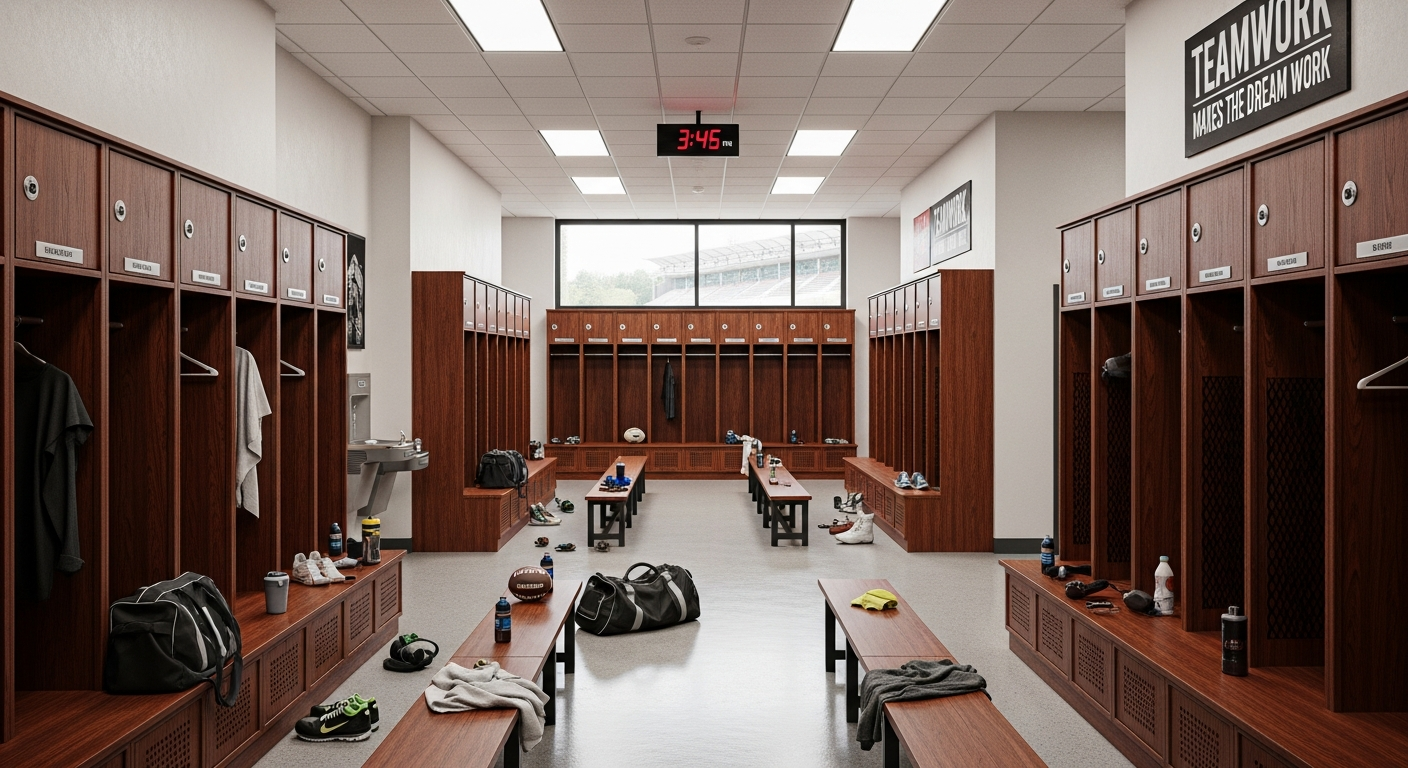
A Locker Room plays a powerful role in sports, gyms, schools, and workplaces. It shapes comfort, boosts confidence, and improves hygiene. Because users want privacy, safety, and easy movement, this space demands smart planning. With the right layout, better materials, and modern features, any locker room becomes efficient, clean, and user-friendly.
Understanding What a Locker Room Really Means
A locker room is more than a changing space. It supports athletes, employees, and students as they prepare and recover. Since every user wants order, the room must balance storage, cleanliness, and privacy. Therefore, proper design ensures a smooth flow, while strong organization protects personal items and hygiene.
Key Features Every Modern Locker Room Must Include
Every locker room requires essential features that make the experience better. While secure lockers protect belongings, comfortable benches provide support during changing. Moreover, well-placed mirrors, bright lighting, and durable floors create a safe and easy-to-use environment. Because users move constantly, spacing and pathways must remain clear at all times.
Locker Room Design Principles for Better Functionality
Smart layout decisions guide how well a locker room works. Since different groups use the space, the design must separate wet and dry areas. Additionally, ventilation keeps the room fresh, while drainage prevents odors. Therefore, choosing quality materials reduces maintenance and improves cleanliness. When planners follow these principles, users enjoy comfort and safety.
Privacy Solutions in the Locker Room Environment
Privacy drives user trust. Because people need comfortable changing zones, modern locker room designs use partitions, curtains, or private cubicles. Furthermore, thoughtful locker placement prevents crowding near entrances. As a result, users feel secure, relaxed, and confident. When privacy becomes part of the layout, overall satisfaction increases significantly.
Advanced Technology Improving the Locker Room Experience
Technology now transforms the locker room into a smart and efficient space. Digital keypads, real-time locker availability systems, and automated cleaning alerts streamline operations. Additionally, humidity sensors and odor-control systems maintain hygiene. As these features work together, users enjoy safer access, smoother flow, and improved cleanliness throughout the area.
Safety Standards Every Locker Room Should Follow
Safety protects users from injury. Because wet floors cause accidents, slip-resistant surfaces are essential. Moreover, rounded edges, proper lighting, and emergency alarms strengthen security. When maintenance teams check these features regularly, users stay safe. Since safety supports confidence, a well-maintained locker room encourages better performance and comfort.
Maintenance Strategies for Clean and Long-Lasting Locker Rooms
Maintenance determines how well a locker room ages. Therefore, scheduling regular cleaning prevents mold, odors, and bacteria. Additionally, durable fixtures reduce breakdowns, while easy-to-wash materials speed up daily routines. Because teams monitor every area consistently, the space stays fresh. Continuous upkeep ensures users enjoy comfort without interruptions.
Benefits of a Well-Designed Locker Room
A strong locker room layout boosts the overall experience. Because the environment stays clean and organized, users feel motivated and safe. Additionally, efficient flow reduces stress before activities. As privacy improves, satisfaction rises across all groups. When each feature works smoothly, the locker room becomes a valued part of the facility.
Conclusion
A locker room shapes comfort, hygiene, confidence, and user experience. Since planning affects safety and privacy, investing in the right design brings long-term benefits. If you want a powerful, modern locker room that supports every user, start improving the layout, materials, and features today. Take action now and upgrade your locker room for better performance and trust.
FAQs
1. What is the main purpose of a locker room?
A locker room provides a secure space for changing, storing belongings, and preparing for physical activities in a clean, private environment.
2. Why is ventilation important in a locker room?
Ventilation controls moisture, reduces odors, and keeps the air clean, ensuring a healthy environment for daily users.
3. What materials work best for locker room floors?
Non-slip tiles, rubberized flooring, and water-resistant vinyl work best because they prevent accidents and simplify cleaning.
4. How does technology improve locker rooms?
Smart locks, digital scheduling, humidity sensors, and automated cleaning alerts enhance safety, convenience, and hygiene.
5. How often should a locker room be cleaned?
Daily cleaning is essential, while deep cleaning should occur weekly to maintain hygiene, prevent odors, and protect user health.