
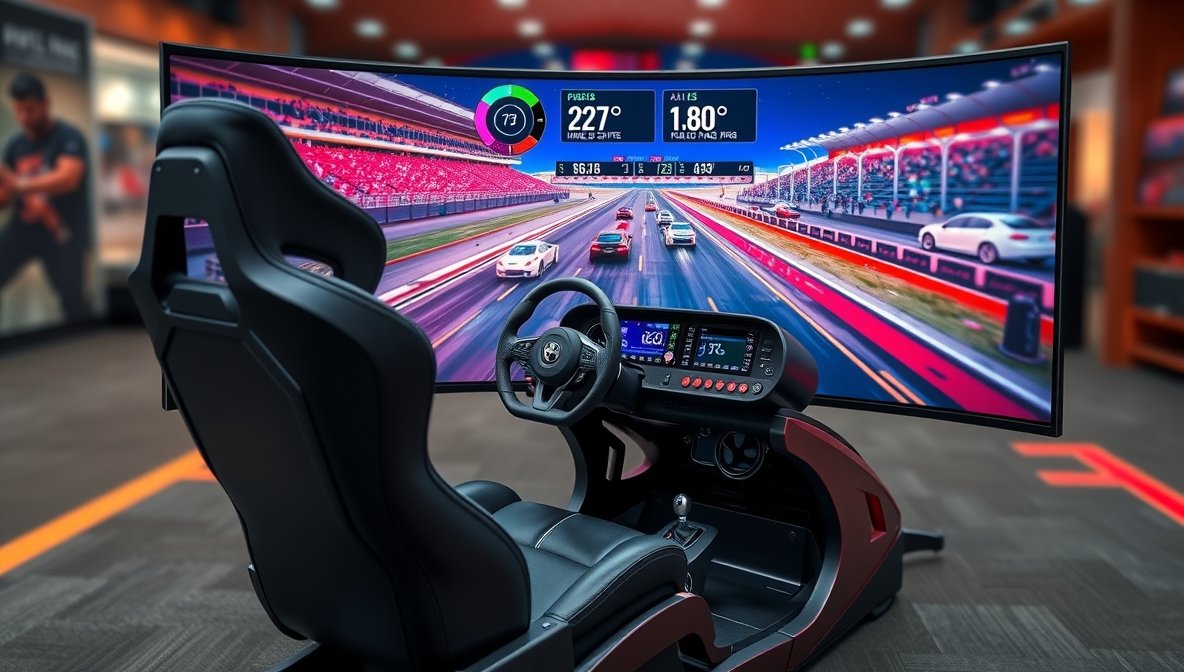
Imagine the roar of engines, the smell of burning rubber, and the rush of adrenaline as you speed down a straight track — all from your screen. A Drag Race Simulator brings that excitement to life. These digital tools allow you to experience the power, precision, and intensity of drag racing without ever stepping into a real car.
Built with advanced physics engines and stunning graphics, drag race simulators offer realistic acceleration, torque, and handling. They replicate every thrilling detail, making you feel like a true racer. Whether you’re training for real drag races or just love the sport, simulators offer endless fun and learning opportunities.
What Is a Drag Race Simulator?
A drag race simulator is a software or gaming setup that mimics the real-life experience of drag racing. It lets users race virtual cars in controlled environments using accurate car physics. With the right simulator, every gear shift, tire burn, and engine roar feels authentic.
Many simulators use advanced vehicle dynamics, helping players understand traction, weight distribution, and acceleration. These simulations aren’t just games — they’re powerful tools for improving reaction time and tuning performance. From amateurs to professionals, everyone benefits from realistic drag simulations.
How Drag Race Simulators Work
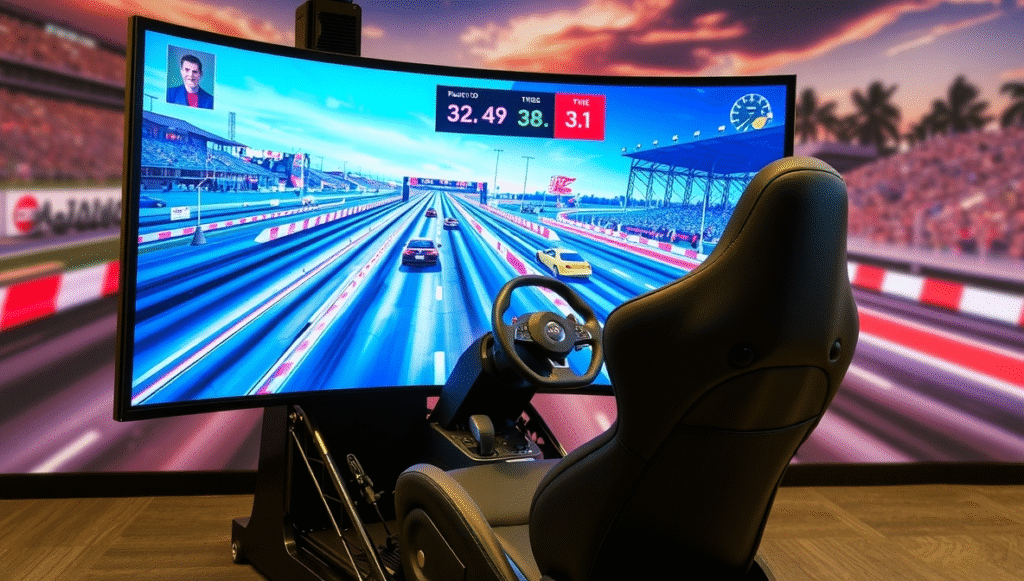
A drag race simulator functions using physics-based algorithms that calculate real-time vehicle behavior. Each movement, from engine revving to tire spinning, follows actual mechanical principles. Players accelerate down a digital track while competing against AI opponents or real players.
High-end simulators include features like clutch control, pedal calibration, and custom tuning. With every race, you learn how different factors — such as tire pressure, gear ratio, and aerodynamics — affect performance. This precision makes simulators valuable both for gaming and for real racing preparation.
Key Features of a Modern Drag Race Simulator
Modern drag race simulators offer advanced customization and interactive features. Players can modify cars, upgrade engines, or adjust weather conditions. Every small tweak changes how your car behaves on the track.
Many platforms also support VR integration, giving users a 360-degree racing experience. Sound effects, motion seats, and steering feedback further enhance realism. Combined with high-resolution graphics, these elements make every second behind the digital wheel feel intense and authentic.
Benefits of Using a Drag Race Simulator
Using a drag race simulator improves both racing skills and technical knowledge. It allows you to practice safely without risking expensive equipment or personal injury. Moreover, it sharpens reflexes, reaction timing, and precision.
For beginners, simulators provide a controlled environment to learn. For professionals, they offer a space to test new setups and analyze performance. Practicing regularly enhances confidence and understanding of vehicle behavior, leading to real-world racing improvements.
Popular Drag Race Simulator Games
Several drag race simulators have gained global popularity among racing enthusiasts. Games like Nitro Nation, Torque Burnout, and No Limit Drag Racing 2 offer realistic visuals and deep customization. Each game provides a unique way to experience high-speed racing challenges.
These simulators balance entertainment with authenticity. Players can compete in tournaments, earn virtual rewards, and tune cars for better performance. The goal is always the same — reach maximum speed, shift perfectly, and cross the finish line first.
Choosing the Right Drag Race Simulator Setup
Selecting the perfect drag race simulator setup depends on your goals and budget. Some prefer basic keyboard setups, while others use professional racing rigs with pedals, shifters, and steering wheels. The more immersive the hardware, the better the experience.
Investing in a force-feedback steering wheel and responsive pedals enhances control accuracy. Adding a curved or ultra-wide monitor provides greater visibility. With VR headsets, you can feel as if you’re sitting in a real dragster, ready to conquer the track.
Realism in Drag Race Simulators: Physics and Performance
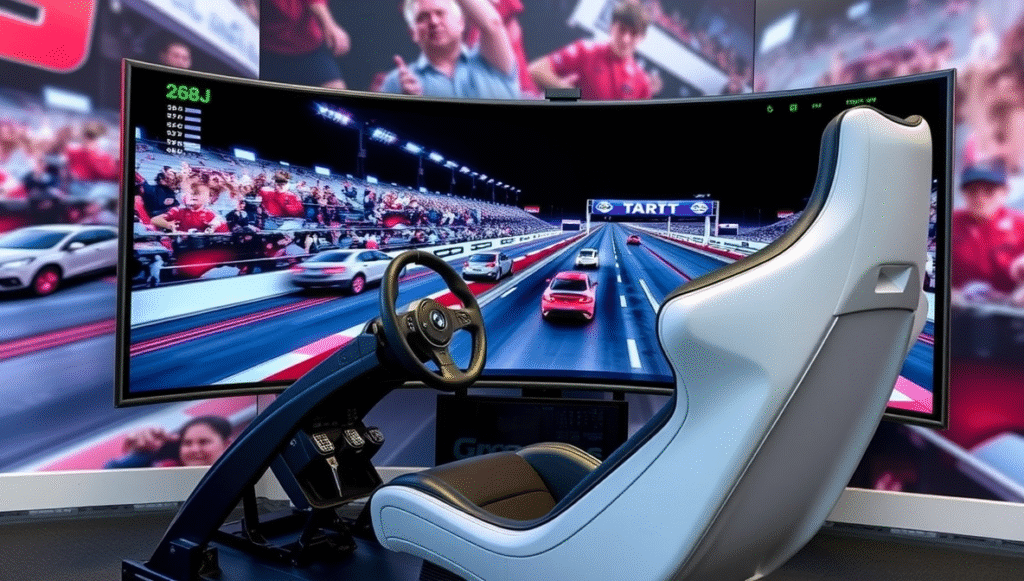
Authentic physics models define the quality of any drag race simulator. These models calculate how tires grip, how engines deliver torque, and how wind resistance affects top speed. The closer these values are to reality, the more accurate your racing practice becomes.
Developers continuously refine their simulators using data from real drag racing. As a result, the experience gets closer to the genuine thrill of a live race. The combination of speed, precision, and timing keeps players fully engaged.
Learning and Skill Development Through Simulators
A drag race simulator isn’t only about entertainment; it’s also an educational tool. Regular practice helps users master reaction time, launch technique, and vehicle control. It’s a safe way to test new setups and understand how mechanics influence performance.
Through repetition and analysis, racers can identify their weaknesses and improve gradually. Each simulated race builds muscle memory and strategic thinking. Ultimately, that training translates to stronger on-track performance.
Online Communities and Competitive Racing
Online drag race simulator communities are growing rapidly. Racers from around the world compete, share setups, and exchange tips. Participating in tournaments or leaderboards keeps motivation high and creates friendly competition.
These communities also help players discover mods, updates, and new content. By joining them, users gain both knowledge and inspiration. Racing becomes more exciting when you challenge real players instead of AI bots.
How Drag Race Simulators Influence Real Racing
Many real-life racers use drag race simulators for preparation and strategy testing. The data gathered from simulations helps fine-tune performance and predict outcomes. It’s like having a digital version of your race car for experimentation.
Through realistic simulations, drivers develop better instincts for timing and control. They enter real races with more confidence, understanding how adjustments affect speed and balance. The virtual-to-reality connection continues to shape modern racing culture.
Future of Drag Race Simulation Technology
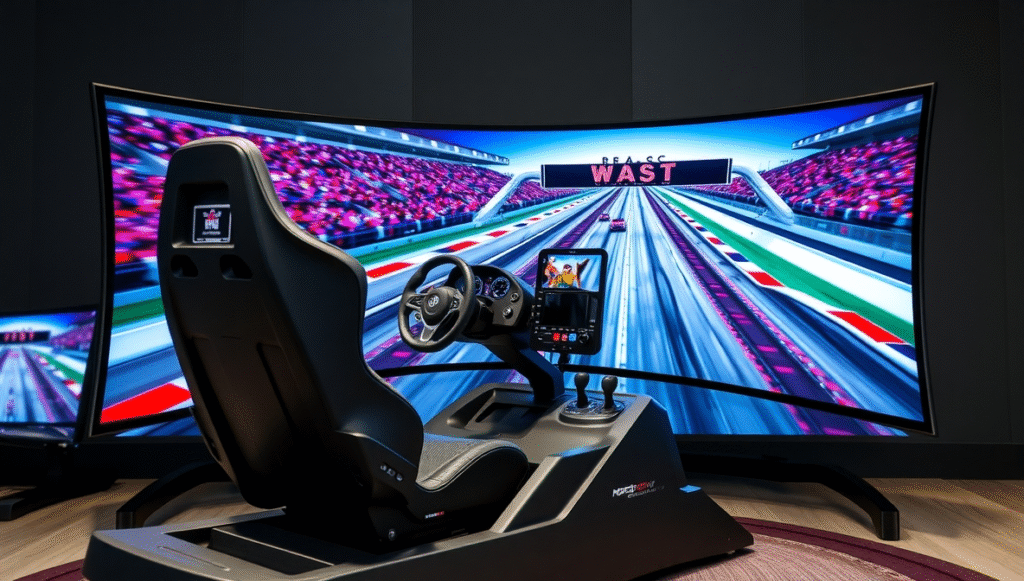
Technology continues to transform drag race simulators. Developers are adding AI-driven analytics, adaptive environments, and hyper-realistic visuals. Future simulators will predict car behavior using machine learning for unmatched accuracy.
Cloud integration and multiplayer synchronization will make global tournaments seamless. With AR and VR advances, users will experience drag racing beyond imagination. The evolution of drag race simulators has only just begun.
Conclusion:
A drag race simulator isn’t just a game; it’s a gateway to skill, speed, and excitement. It allows anyone to experience professional racing from the comfort of home. Every second on the virtual track builds precision, strategy, and confidence.
Now is the perfect time to explore this thrilling world. Choose your simulator, customize your car, and push your limits. Get ready to feel the power, control the speed, and start your drag racing adventure today!
FAQs
1. What is the main purpose of a drag race simulator?
It helps users experience and learn drag racing dynamics in a safe, virtual environment while improving reaction time and driving skills.
2. Can drag race simulators improve real racing performance?
Yes, practicing regularly enhances timing, control, and understanding of vehicle mechanics, which transfers to real-world racing.
3. Are drag race simulators suitable for beginners?
Absolutely. Beginners can start with simple setups and gradually move to advanced configurations as they gain experience.
4. What equipment do I need for a realistic drag race simulator setup?
A steering wheel, pedal set, and VR headset or wide monitor create a highly immersive experience.
5. How do drag race simulators differ from regular racing games?
They focus specifically on short-distance acceleration, timing, and realistic physics rather than general circuit racing.